How to Match Garage Door Styles with Home Architecture
Your garage door is one of the first things people notice about your home. It takes up a significant portion of your home's front-facing exterior, which means it plays a powerful role in shaping curb appeal, setting a visual tone, and either complementing or clashing with the architectural character of your property. Yet many homeowners treat the garage door as an afterthought, selecting whatever seems affordable or readily available without considering how the style, material, color, and hardware will interact with the rest of the home's design. The result is often a mismatched exterior that feels incomplete or visually disconnected. Getting this decision right, however, can dramatically elevate the look of your entire property. This fall, if you are thinking about a garage door upgrade or replacement, taking the time to understand how to match garage door styles with home architecture is one of the smartest investments you can make in your home's appearance and long-term value.
The good news is that matching your garage door to your home's architectural style is not as complicated as it might seem. Once you understand the core design principles behind different architectural styles and how garage door features correspond to those principles, the decision becomes much more intuitive. This guide will walk you through everything you need to know, from identifying your home's architectural style to selecting the right door design, material, color, and hardware to create a cohesive, polished look.
Understanding Your Home's Architectural Style Before You Choose a Door
The first step in matching your garage door to your home is correctly identifying the architectural style of your property. This matters more than most homeowners realize. A door that looks stunning on a modern farmhouse can look completely out of place on a Victorian or Colonial Revival home. Architectural styles carry their own visual language, including specific proportions, materials, decorative details, and color palettes, and your garage door needs to speak that same language to create harmony.
Some of the most common residential architectural styles you will encounter in American neighborhoods include Traditional, Craftsman, Colonial, Ranch, Modern or Contemporary, Cape Cod, Mediterranean, Victorian, and Tudor. Each of these styles has defining visual characteristics that should guide your garage door selection. Let's explore how the most popular styles translate into practical garage door choices.
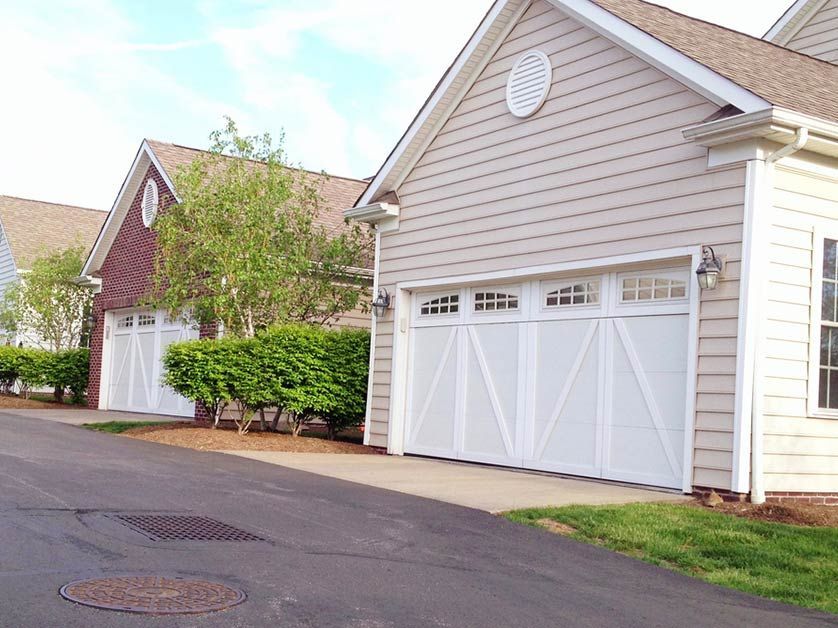
Traditional homes, which encompass a broad range of classic American residential designs, typically feature symmetrical facades, brick or wood siding, and understated ornamentation. These homes pair well with raised-panel garage doors that echo the clean, structured lines of the architecture. Colonial homes in particular benefit from carriage-house style doors with subtle hardware details that reference historical craftsmanship without feeling overdone.
Craftsman-style homes, which became popular in the early twentieth century and have seen a strong revival in recent decades, are characterized by natural materials, tapered columns, wide front porches, and handcrafted details. For these homes, garage doors with wood or wood-look finishes work beautifully. Horizontal planking, subtle grooves, and wrought-iron style hardware reinforce the handmade aesthetic that defines the Craftsman philosophy. Earthy tones like warm browns, sage greens, and deep reds are natural fits.
Ranch-style homes feature long, low horizontal profiles, minimal ornamentation, and practical layouts. Because the garage is often a prominent part of a ranch home's facade, the door choice carries significant visual weight. Clean, simple panel designs without heavy decorative elements tend to work best. Flush or lightly textured doors in neutral tones keep the look grounded and proportional. Avoid doors with elaborate decorative hardware or ornate window patterns, as these can feel visually heavy against a ranch home's modest lines.
Matching Door Styles to Modern and Contemporary Architecture
Modern and contemporary homes present one of the most exciting opportunities for creative garage door selection. These homes prioritize clean geometry, open space, large windows, and the honest expression of materials like glass, steel, concrete, and wood. The garage door on a modern home should reinforce these values rather than introduce traditional or decorative elements that feel inconsistent with the overall aesthetic.
Full-view aluminum and glass garage doors have become increasingly popular for contemporary homes precisely because they align with the architectural emphasis on transparency, lightness, and industrial materials. These doors feature slim aluminum frames with large glass panels that allow natural light into the garage while maintaining a sleek, minimalist exterior appearance. When paired with the expansive glazing and flat rooflines typical of modern architecture, a glass and aluminum door feels like a natural extension of the design rather than an afterthought.
For contemporary homes that lean more toward the warm modern or organic modern aesthetic, horizontal wood-slat garage doors offer a compelling option. The natural grain and warmth of cedar or redwood planks arranged horizontally echo the clean lines of modern architecture while introducing an organic texture that softens the overall look. These doors work particularly well when the home features exposed wood beams, natural stone cladding, or warm-toned stucco.
Color selection for modern homes should generally follow the home's existing palette. If the home features a monochromatic exterior in shades of gray, white, or charcoal, a door in a matching or complementary tone keeps the look cohesive. If the architecture incorporates bold accent colors, the garage door can either blend in or serve as a deliberate focal point, though this decision should be made thoughtfully rather than impulsively.
How Material and Color Choices Affect Architectural Harmony
Beyond the panel design and overall style of the door, the materials and colors you choose play an enormous role in determining whether your garage door complements or clashes with your home's architecture. Here are some key principles to keep in mind as you navigate these decisions.
- Wood garage doors offer warmth, natural texture, and a sense of craftsmanship that works beautifully with Craftsman, Tudor, Colonial, and rustic farmhouse styles. Real wood requires more maintenance than other materials but delivers unmatched aesthetic depth.
- Steel garage doors are among the most versatile options available. They can be manufactured to mimic the look of wood, feature flush or raised panels, and accommodate a wide range of paint colors. Steel doors work well with Traditional, Ranch, Colonial, and Contemporary homes depending on the finish and panel configuration.
- Fiberglass and composite doors resist moisture and denting while offering design flexibility. These are practical choices for coastal climates or homes where low maintenance is a priority, and they can be styled to suit many architectural types.
- Aluminum doors, particularly those with glass panels, are best suited to modern and contemporary homes where their industrial aesthetic feels appropriate and intentional.
When it comes to color, the most reliable approach is to pull from the existing palette of your home's exterior. Look at your siding color, trim color, roof color, and any accent colors used on shutters or front doors. Your garage door color should relate to at least one of these elements. A door that matches the trim color tends to create a clean, classic look. A door that matches the siding creates a seamless, understated effect. A door in a contrasting but complementary tone can create a deliberate focal point, which works particularly well on homes with a single dominant siding color and minimal exterior detail.
Avoid selecting a garage door color in isolation from the rest of the exterior. What looks appealing in a showroom or catalog can feel disconnected once installed on a specific home with its particular combination of materials and colors. Whenever possible, use digital visualization tools to preview how different door styles and colors will look on your actual home before committing to a purchase. A&J Garage Doors Corp offers a garage door designer tool that can help you visualize different door options on your home, making it easier to find the right match before installation day arrives.
Hardware, Windows, and Details That Tie Everything Together
Once you have selected the right panel style, material, and color for your home's architectural type, the finishing details are what elevate a good choice to a great one. Decorative hardware and window inserts are not merely ornamental additions. They are design elements that either reinforce the character of your door and home or undermine the cohesion you have worked to create.
Decorative hardware, including hinges, handles, and clavos, is most appropriate for doors that carry a traditional, rustic, or historical character. Carriage-house style doors on Colonial, Craftsman, or Farmhouse homes benefit enormously from the addition of wrought-iron or black powder-coated hardware that references the working mechanisms of authentic carriage doors. This kind of hardware adds visual weight, depth, and authenticity to a door design that might otherwise feel flat or generic.
For modern and contemporary homes, restraint is usually the right approach when it comes to decorative hardware. Minimalist bar-pull handles in brushed nickel, matte black, or brushed aluminum provide a subtle accent without disrupting the clean lines of the door. Avoid ornate hardware on contemporary doors, as it introduces a visual conflict that is difficult to resolve.
Window inserts follow similar principles. Traditional and Colonial homes typically suit rectangular window inserts arranged in a horizontal row across the top section of the door, often featuring divided light patterns that echo the muntin grids of the home's other windows. Craftsman homes can accommodate square or rectangular windows with simple frames. For modern homes, full-width glass panels or frameless glass sections make a stronger architectural statement than small decorative window cutouts.
Here are a few additional details worth considering as you finalize your garage door selection this fall:
- Make sure the proportions of your garage door are appropriate for the size of the opening and the scale of the facade. An undersized door on a large home can look awkward, while an oversized door can overwhelm a modest property.
- Consider how the door's texture relates to the textures elsewhere on the exterior. A deeply embossed wood-grain steel door on a home with smooth fiber cement siding may create an unintended contrast.
- Pay attention to the finish on any visible garage door hardware, including springs, tracks, and opener components. While these are functional elements, they contribute to the overall impression the garage area creates.
- If your home features a distinctive roofline, such as a gambrel, hip, or shed dormer, take note of whether the garage door's upper profile and window arrangement relate to or complement those shapes.
- Fall is an excellent time to schedule a garage door replacement because contractors tend to have more scheduling availability than during peak spring and summer seasons, and installing before winter ensures your new door is properly sealed and functioning before cold weather arrives.
The relationship between a garage door and a home's architecture is ultimately about visual storytelling. Every design choice, from the panel configuration to the hardware finish to the glass pattern in the windows, either contributes to a clear, coherent narrative about the character of the home or introduces confusion and inconsistency. When all the elements work together, the result is a home exterior that feels intentional, polished, and deeply satisfying to look at. When they conflict, even a beautiful door can feel like it belongs somewhere else.
Taking the time to study your home's architectural style, understand the design language it speaks, and select a garage door that fluently speaks that same language is one of the most rewarding things you can do for your home's curb appeal. Whether you are working with a classic Colonial, a relaxed Ranch, a refined Craftsman bungalow, or a sleek contemporary build, there is a garage door design that was made for your home. The key is knowing how to find it.
If you are ready to explore your options and find the perfect garage door match for your home's architecture, visit A&J Garage Doors Corp's garage door designer tool to start visualizing possibilities. Getting the right door starts with seeing it on your home first, and having the right guidance makes all the difference.

Author:
A&J Garage Doors Corp.
At A&J Garage Doors corp., we are passionate about delivering unparalleled garage door services such as garage door installation, repair, and opener installation in Long Island serving town such as Valley Stream, Rockville Center, Lynbrook, Oceanside, Merrick, NY, and beyond.
Search Blog
Recent Articles


GET HELP WITH YOUR GARAGE DOOR
Lorem ipsum dolor sit amet consectetur adipiscing elit. Dolor sit amet consectetur adipiscing elit quisque faucibus.
Contact Us
We’re Ready to Assist!
We will get back to you as soon as possible.
Please try again later.
Sign Up For Updates
Sign Up Now & Enjoy 10% Off Your First Service
Sign up today and receive
10% off your first service! Experience expert garage door with quality repairs and maintenance.
We will get back to you as soon as possible.
Please try again later.